ABOUT
About Owston's Woodpecker
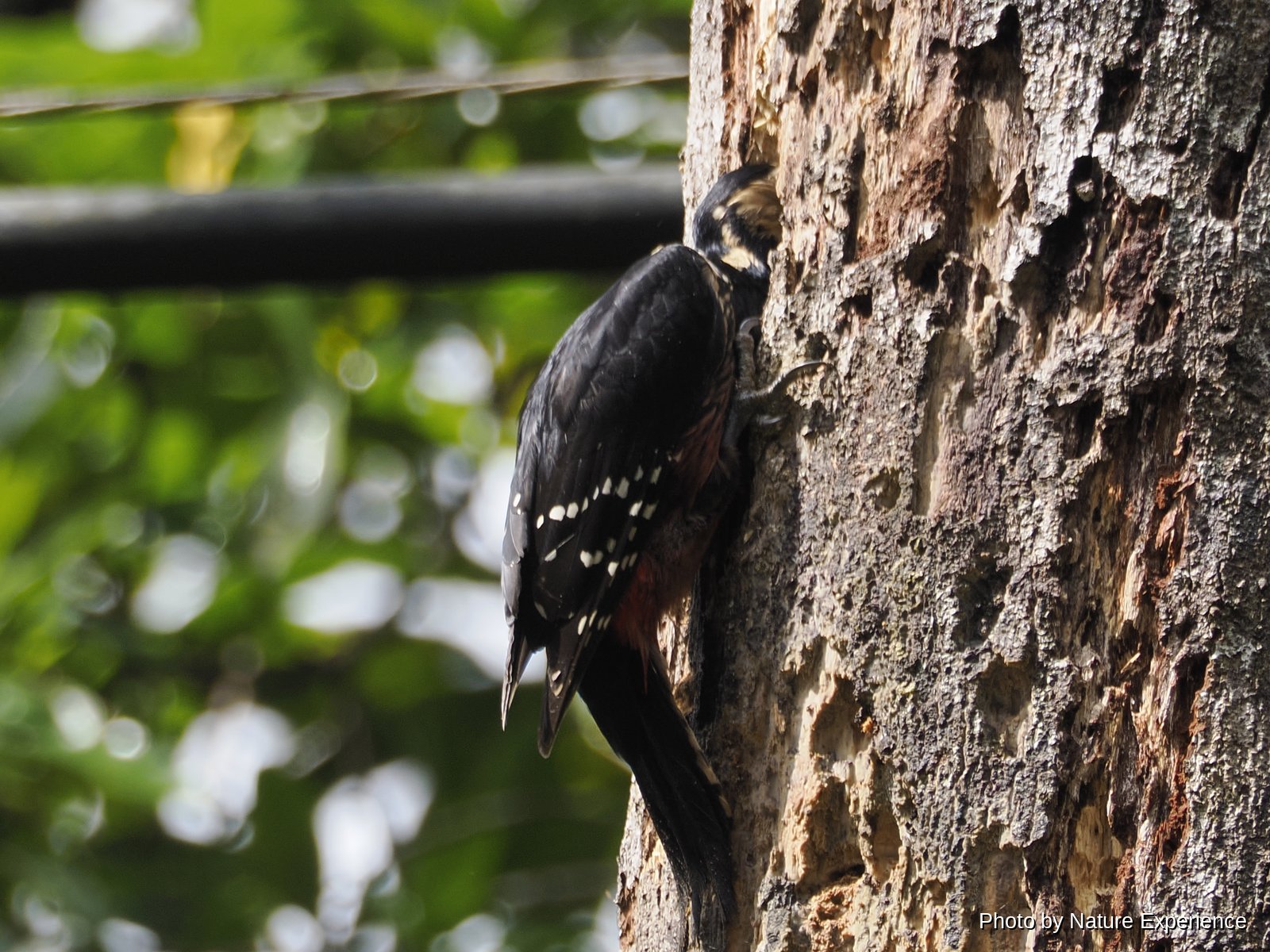
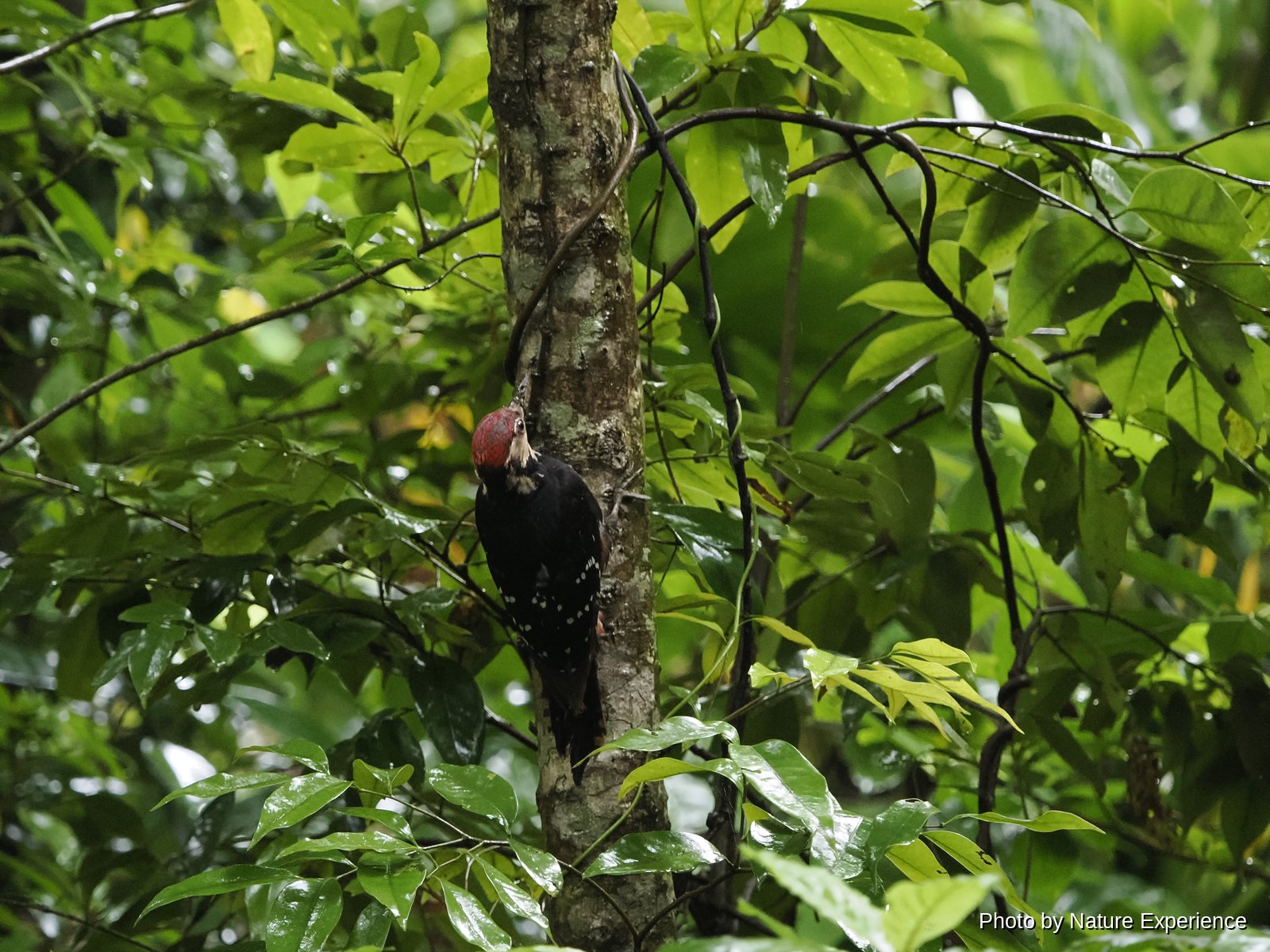
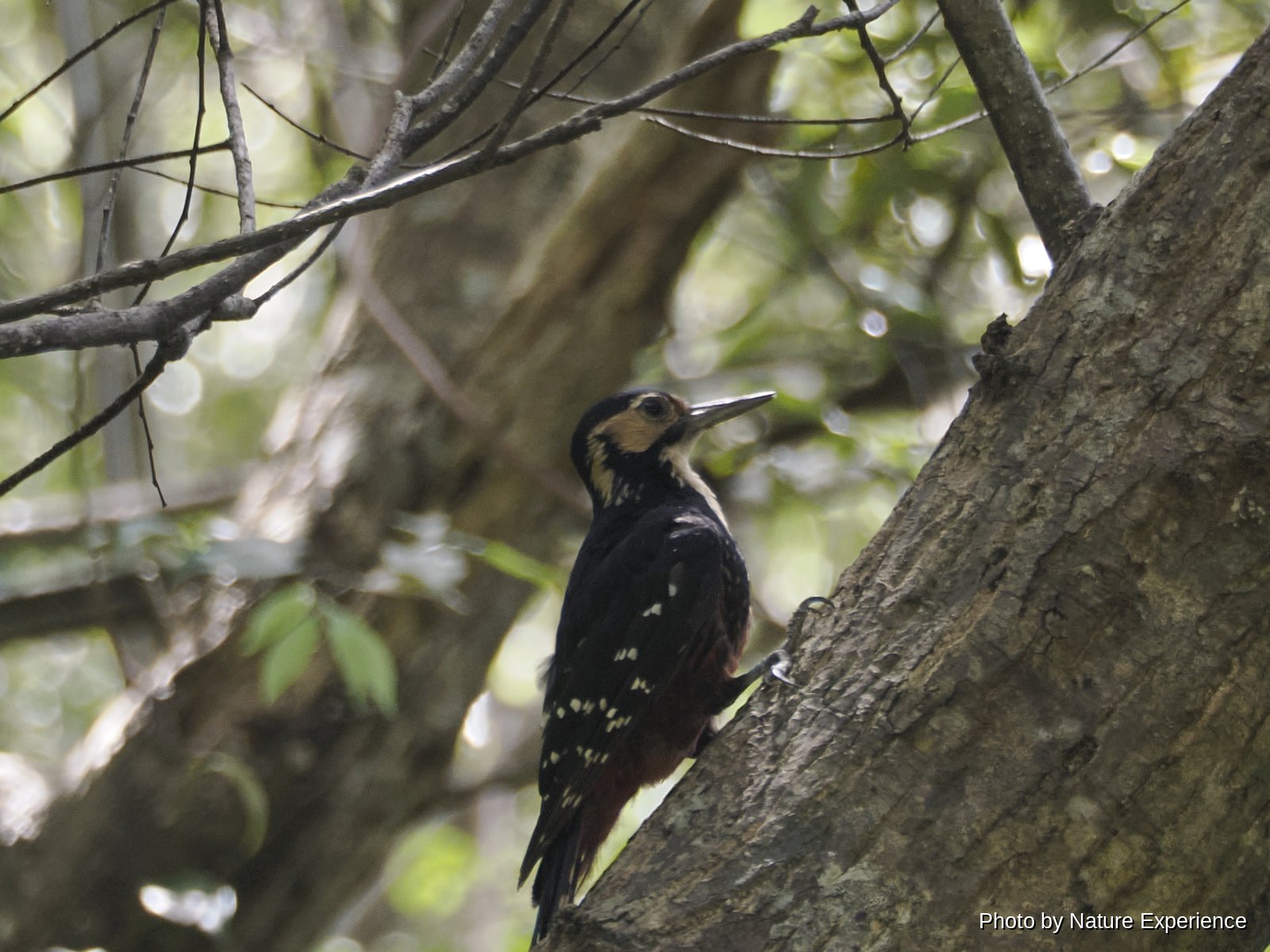
About 28 cm long, a medium-sized woodpecker. An endemic subspecies found only on Amami Oshima; the upper body is almost entirely black with white spots, and the underside is a stronger brown than in other subspecies. The crown is red in males and black in females, making the sexes easy to tell apart. It lives mainly in mature laurel forest and excavates nest holes in the trunks of large broadleaf trees. It feeds mainly on longhorn beetle larvae hidden in rotten wood. Territorial proclamations and courtship displays begin around winter, and from February through May its "drumming" — rapid pecking at a trunk with its bill — and calls are easiest to hear. In recent years its range has expanded across the whole of Amami Oshima, partly due to the effects of pine wilt disease. Since the only other woodpecker on Amami Oshima is the Amami pygmy woodpecker, the two can be told apart by size alone. Designated a national Natural Monument in 1971 and a Nationally Rare Wild Species in 1993; capture and transfer are prohibited.
SAFETY
Observation Safety Notes
Please enjoy Amami's wildlife through photographs. Some species are protected by law or local ordinance, and capturing or removing them is prohibited. In special protection zones within the national park, collecting any wildlife is prohibited entirely. Please check the notes on this page, and confirm local rules before visiting any site.
Wild birds aren't something to catch and take home — they're best enjoyed by observing and photographing them without disturbing them. Keep a good distance, and avoid using playback calls or food to lure them in. Parent birds and chicks are especially sensitive while nesting or breeding; approaching too closely or making noise can cause the nest to be abandoned or the chicks to fail to fledge successfully. Avoid flash or strong lights when photographing at night, and don't share information online that could reveal a nest's exact location.
This bird is subject to: “Capture and transfer prohibited (Natural Monument / Nationally Rare Wild Species)”. Its capture, collection, or transfer is prohibited by law.