ABOUT
About Ryukyu Ruddy Kingfisher
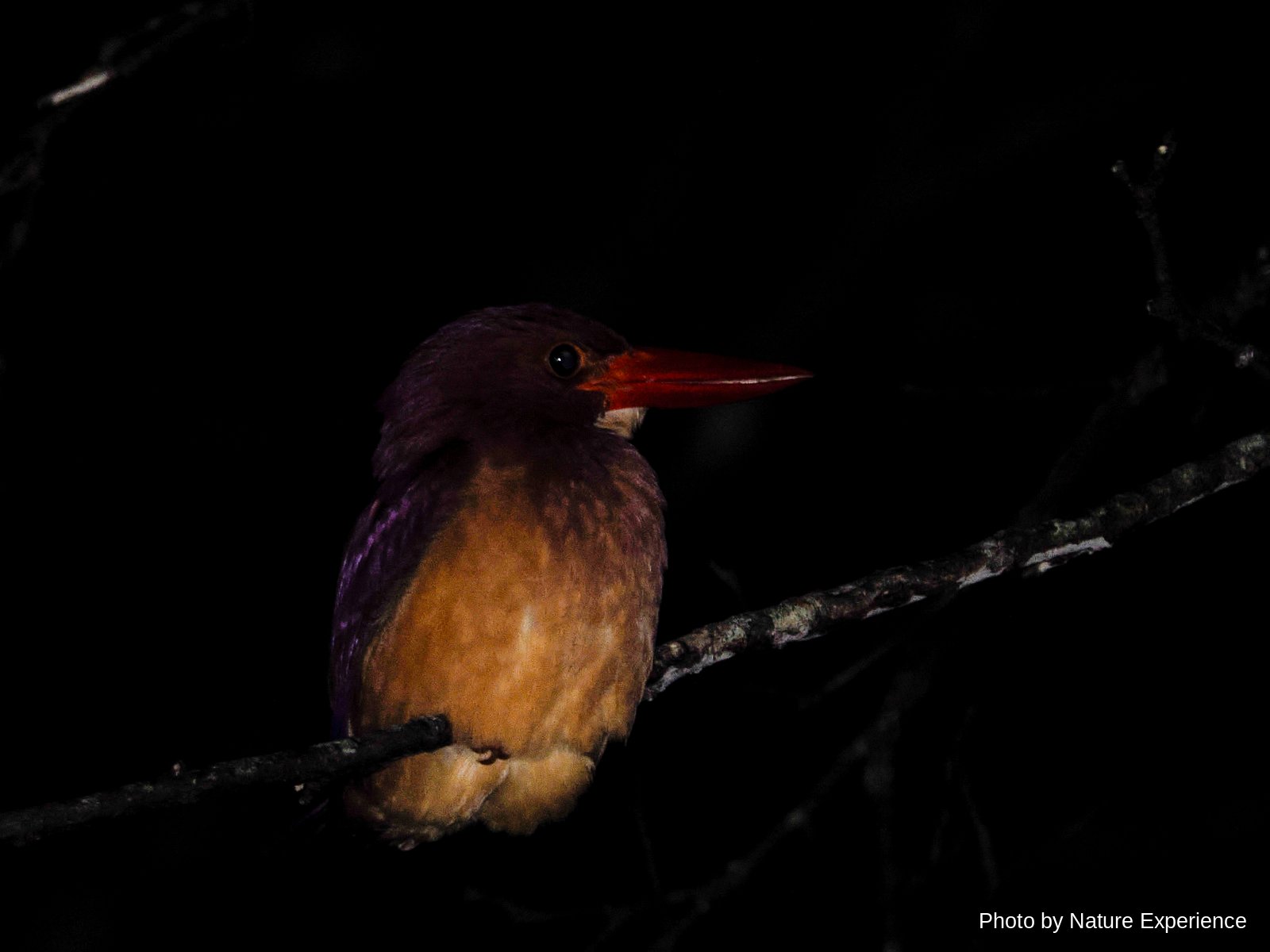
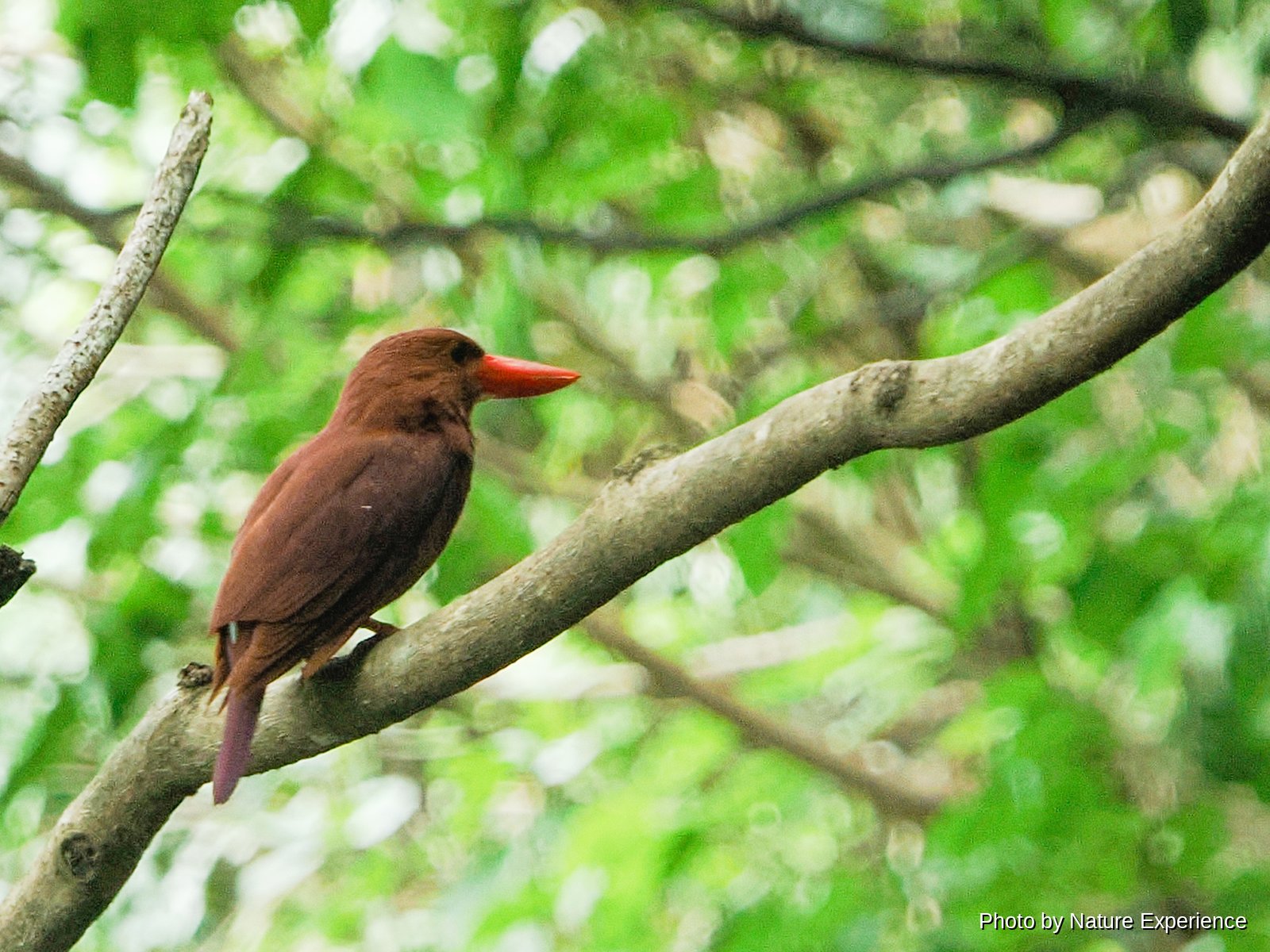
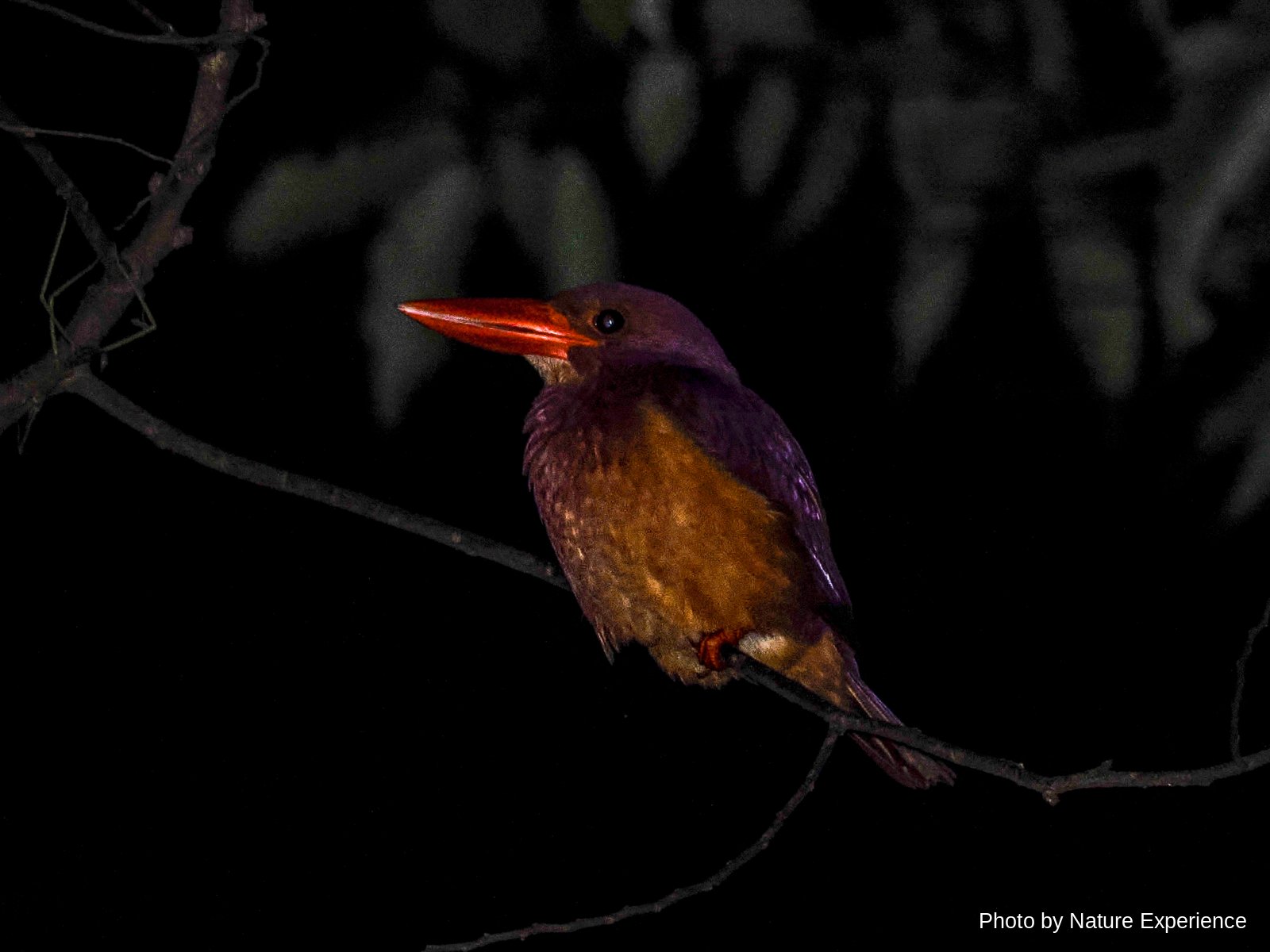
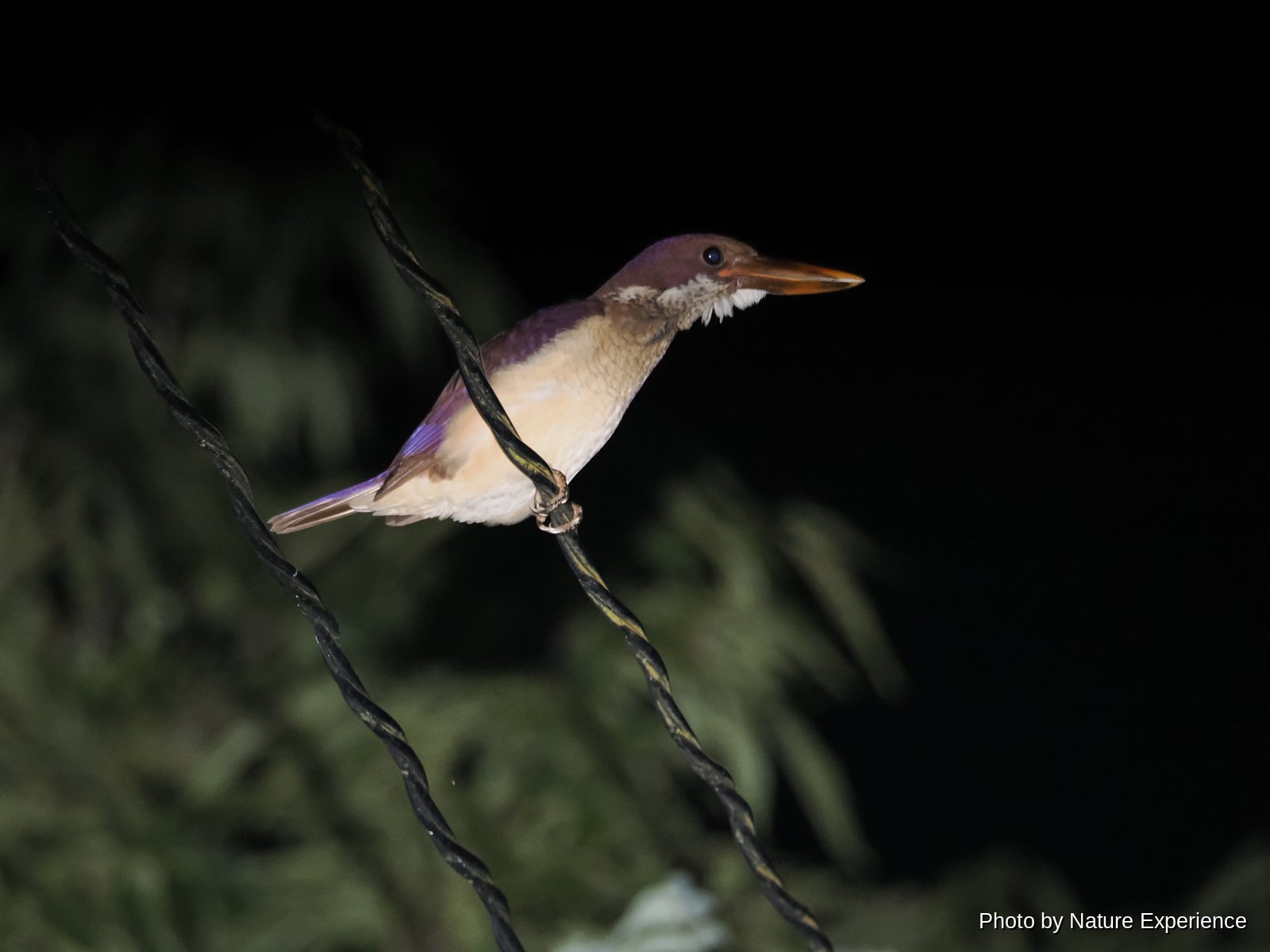
About 27 cm long, its whole body a glossy reddish-brown, with a pale-blue patch on the rump that stands out clearly in flight. Locally on Amami Oshima it is also known as "Kukkaru," and is loved for its far-carrying "kyororororo" call. It is a summer migrant that arrives from its Southeast Asian wintering grounds around the end of April, near Japan's Golden Week holidays, and heads south again by around September. Despite belonging to the kingfisher family, it eats relatively little fish, preying widely on crabs, frogs, lizards, and insects of the forest. During the breeding season from June to July it lays around five eggs in a tree hollow or an old woodpecker nest, and the chicks fledge around July. Parent birds become especially nervous during this period; approaching the nest tree, making noise, or using flash photography can cause them to abandon the nest or force the chicks to fledge early, so it is best to watch quietly from a distance and for only a short time.
SAFETY
Observation Safety Notes
Please enjoy Amami's wildlife through photographs. Some species are protected by law or local ordinance, and capturing or removing them is prohibited. In special protection zones within the national park, collecting any wildlife is prohibited entirely. Please check the notes on this page, and confirm local rules before visiting any site.
Wild birds aren't something to catch and take home — they're best enjoyed by observing and photographing them without disturbing them. Keep a good distance, and avoid using playback calls or food to lure them in. Parent birds and chicks are especially sensitive while nesting or breeding; approaching too closely or making noise can cause the nest to be abandoned or the chicks to fail to fledge successfully. Avoid flash or strong lights when photographing at night, and don't share information online that could reveal a nest's exact location.