ABOUT
About Lidth's Jay
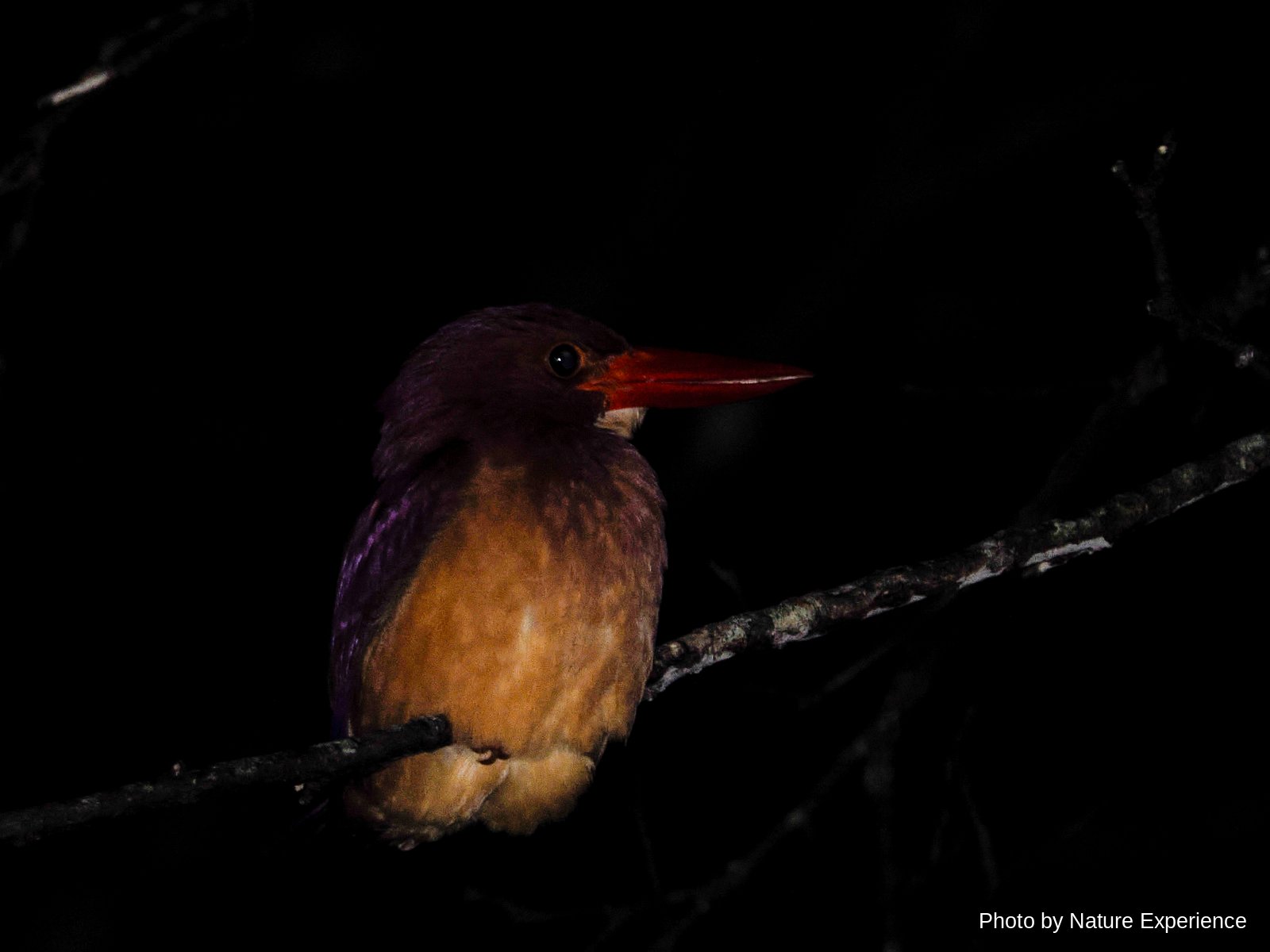
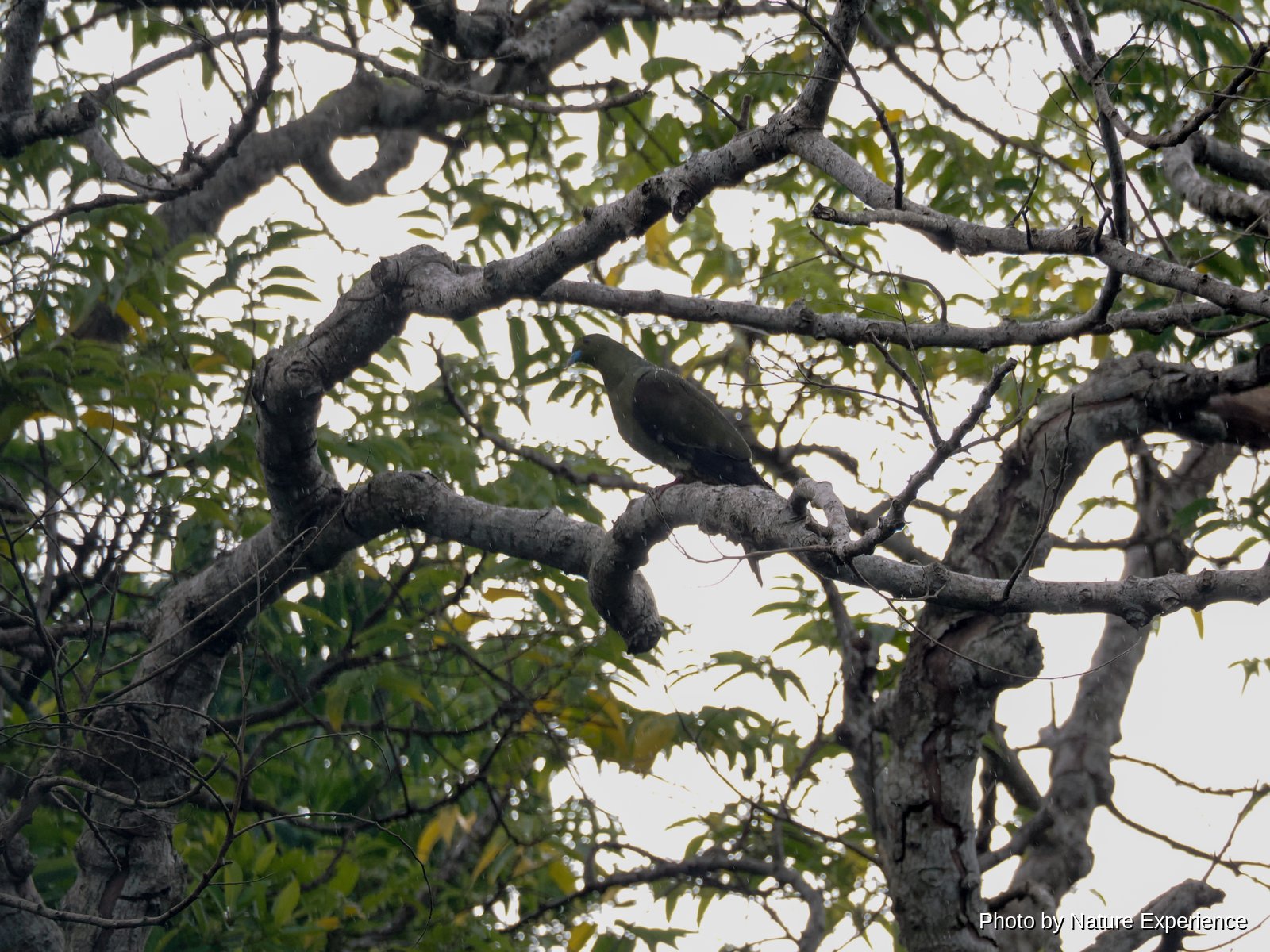
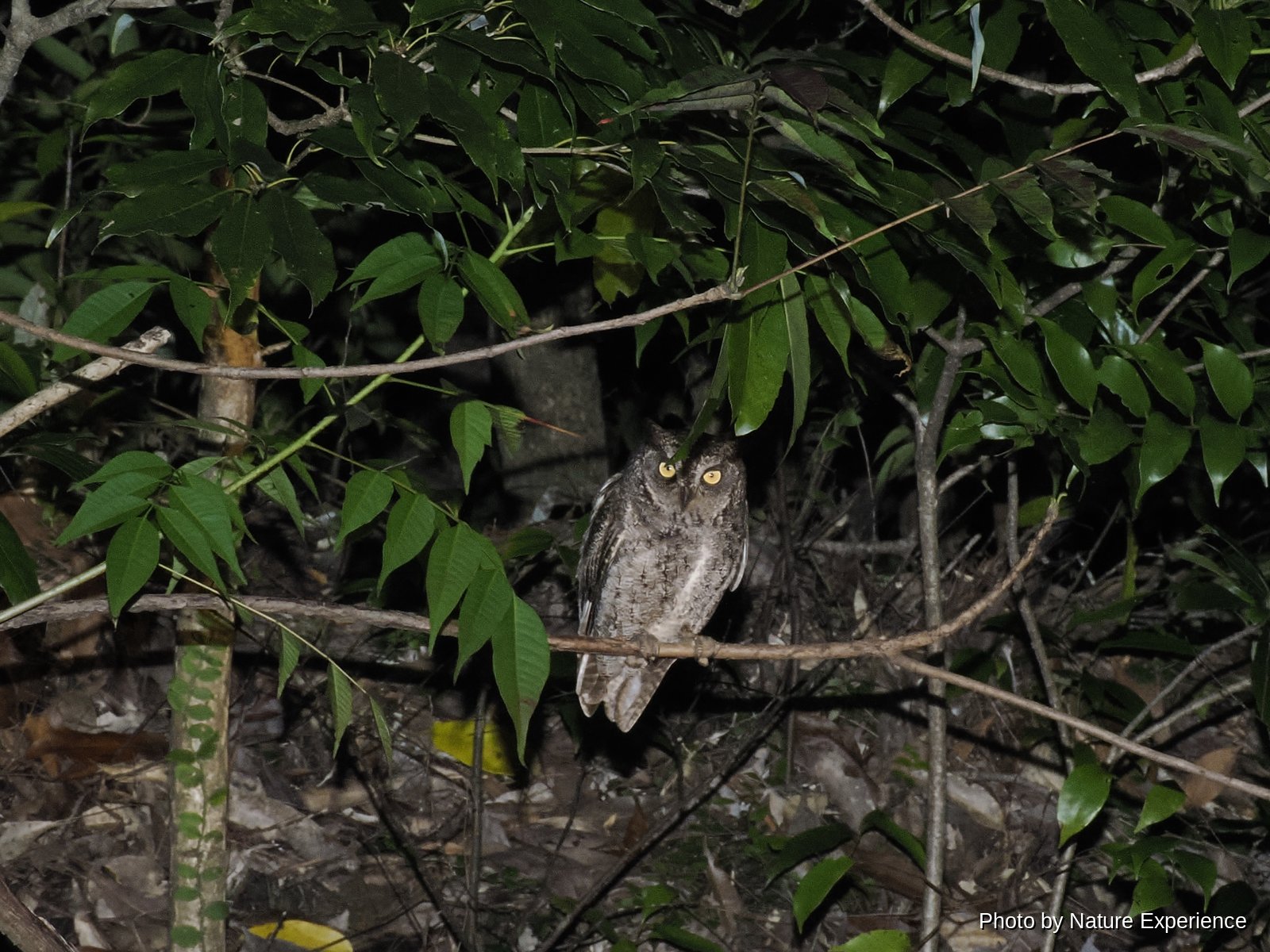
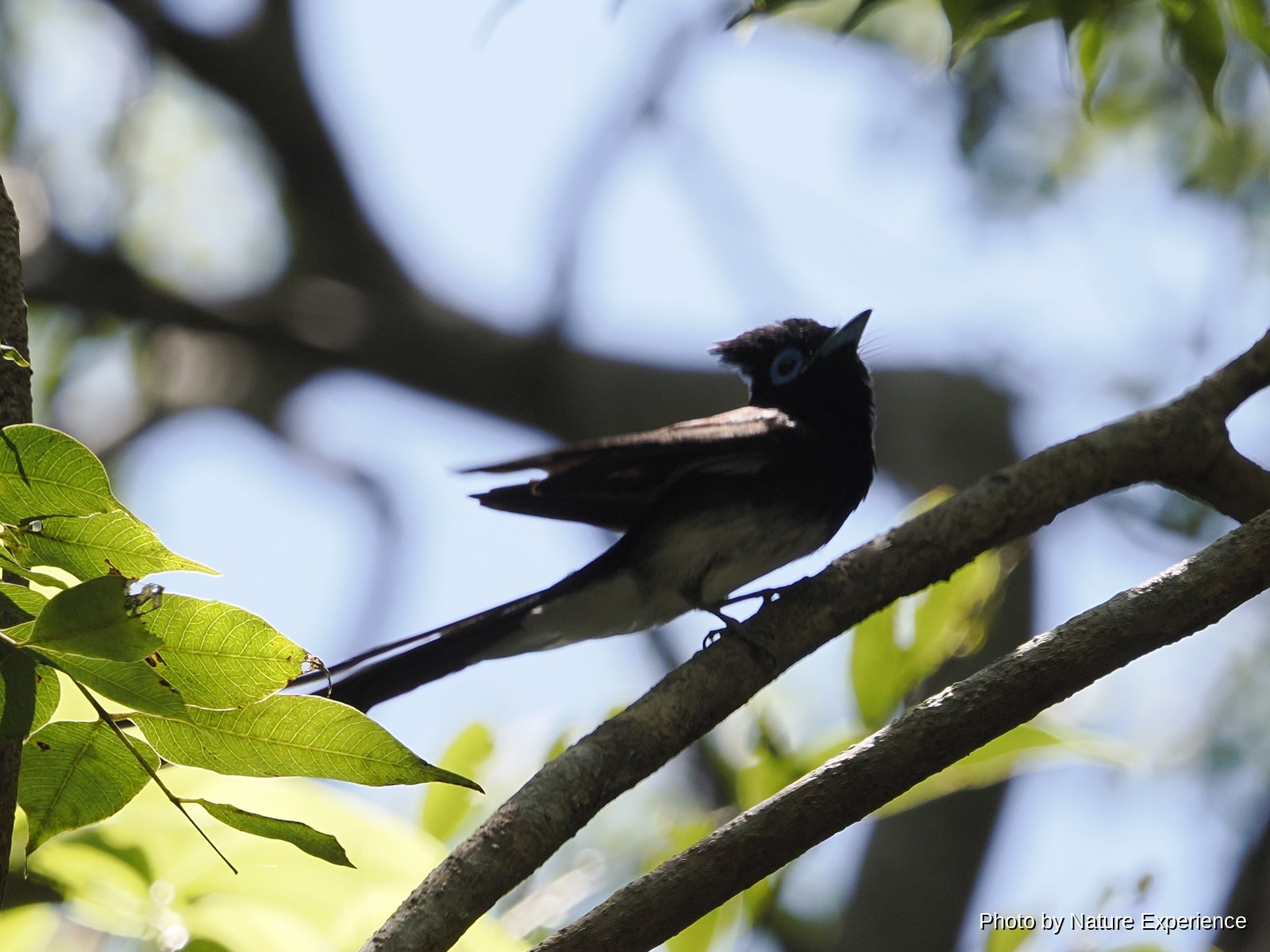
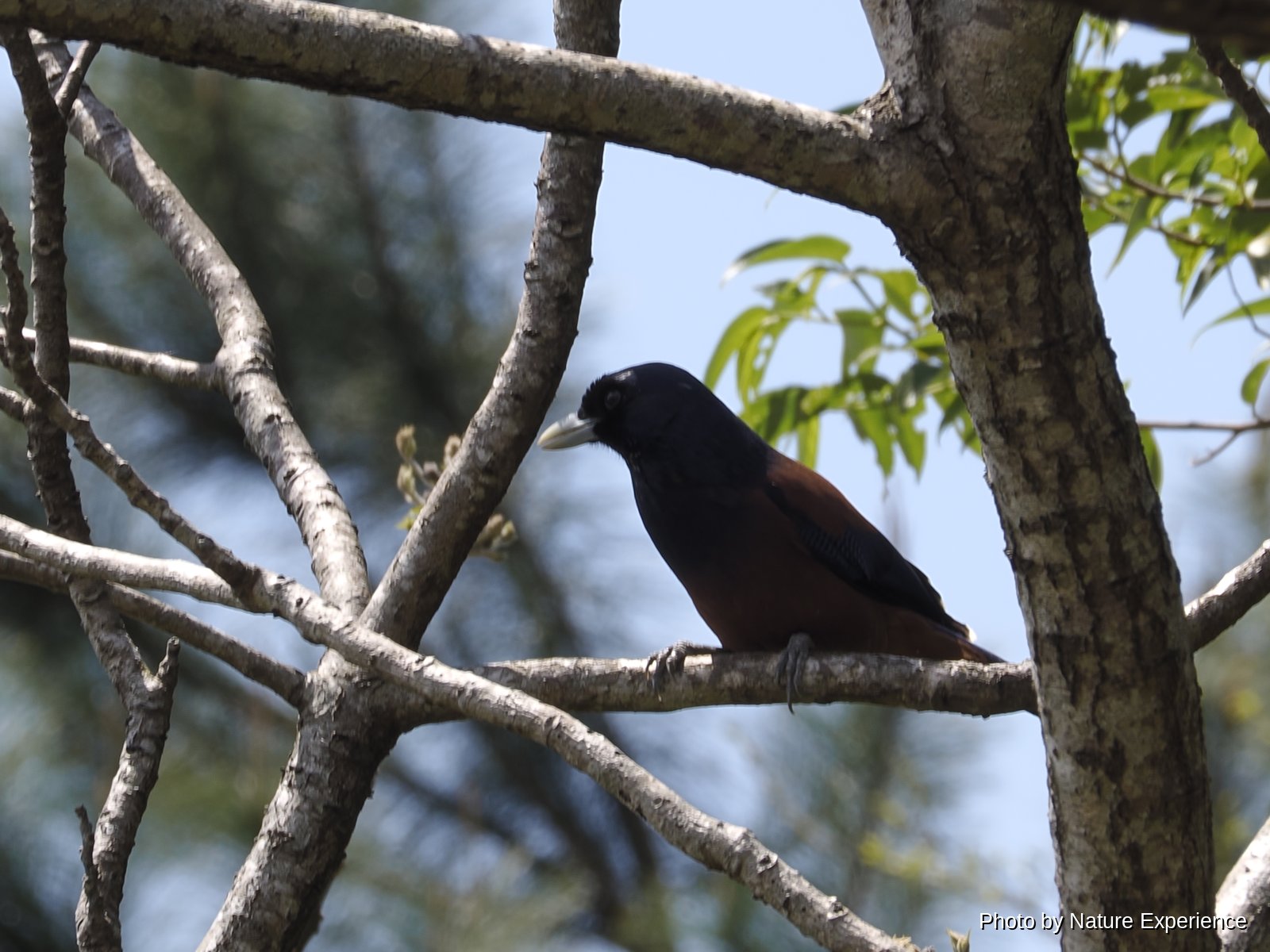
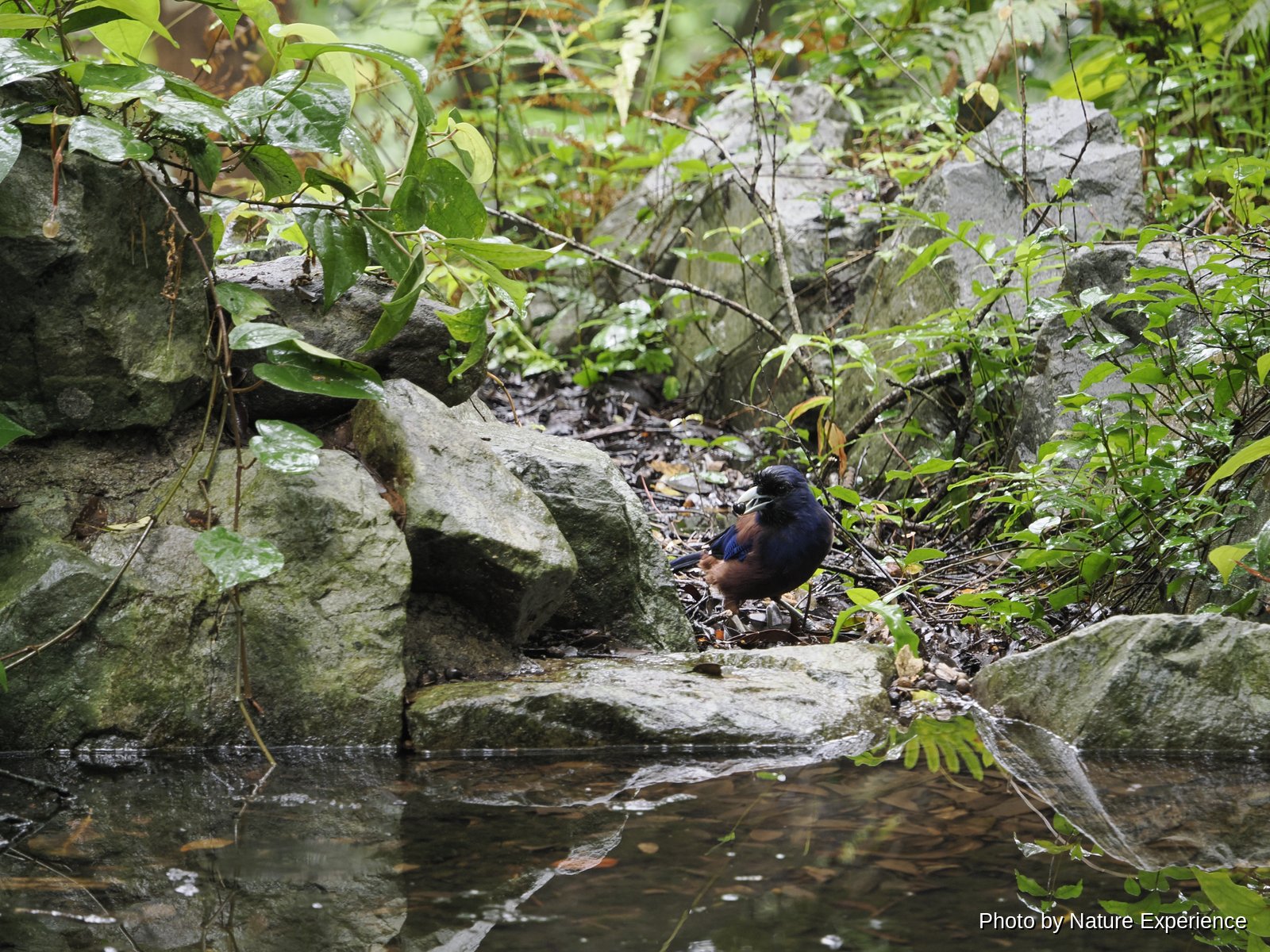
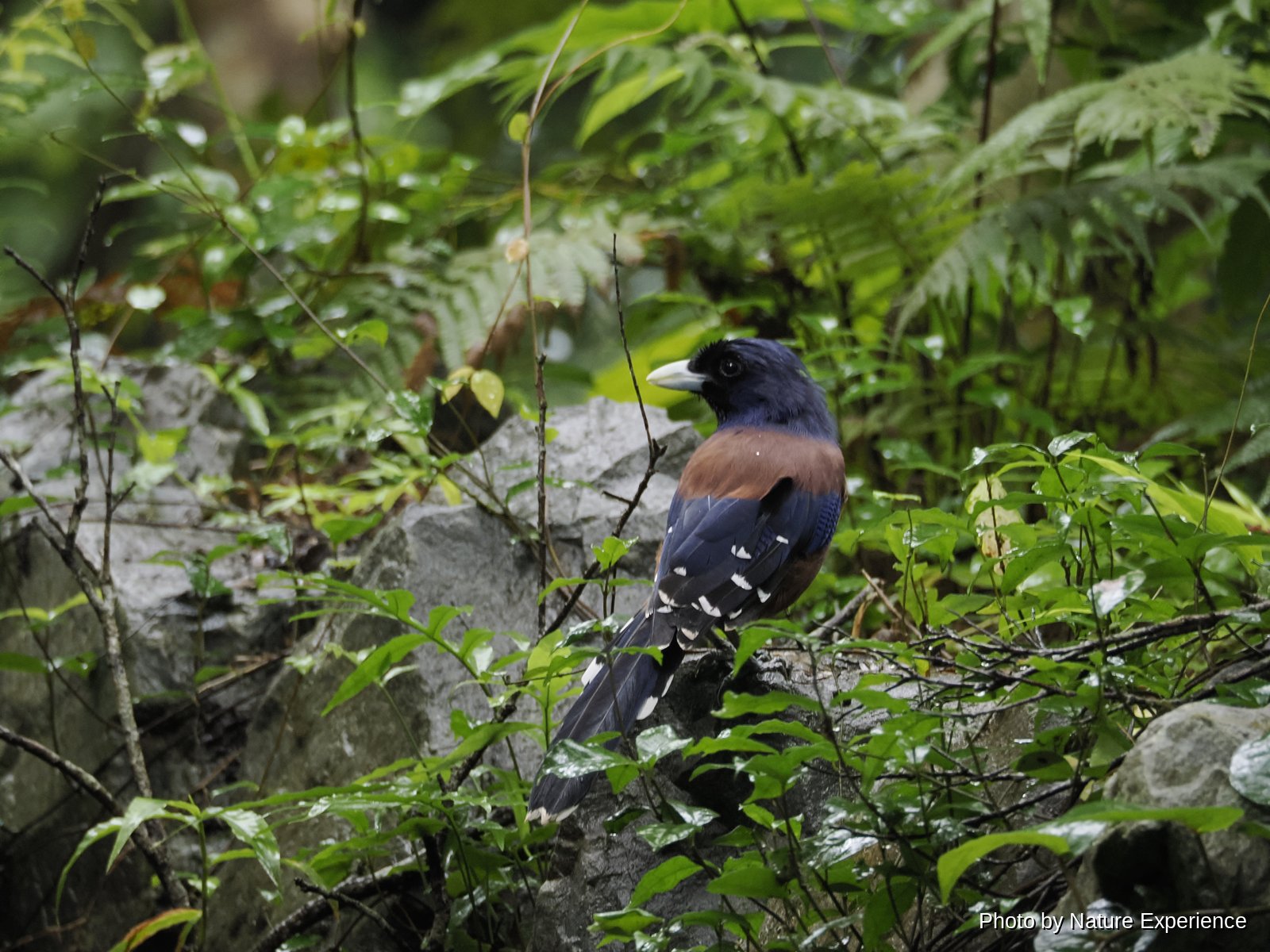
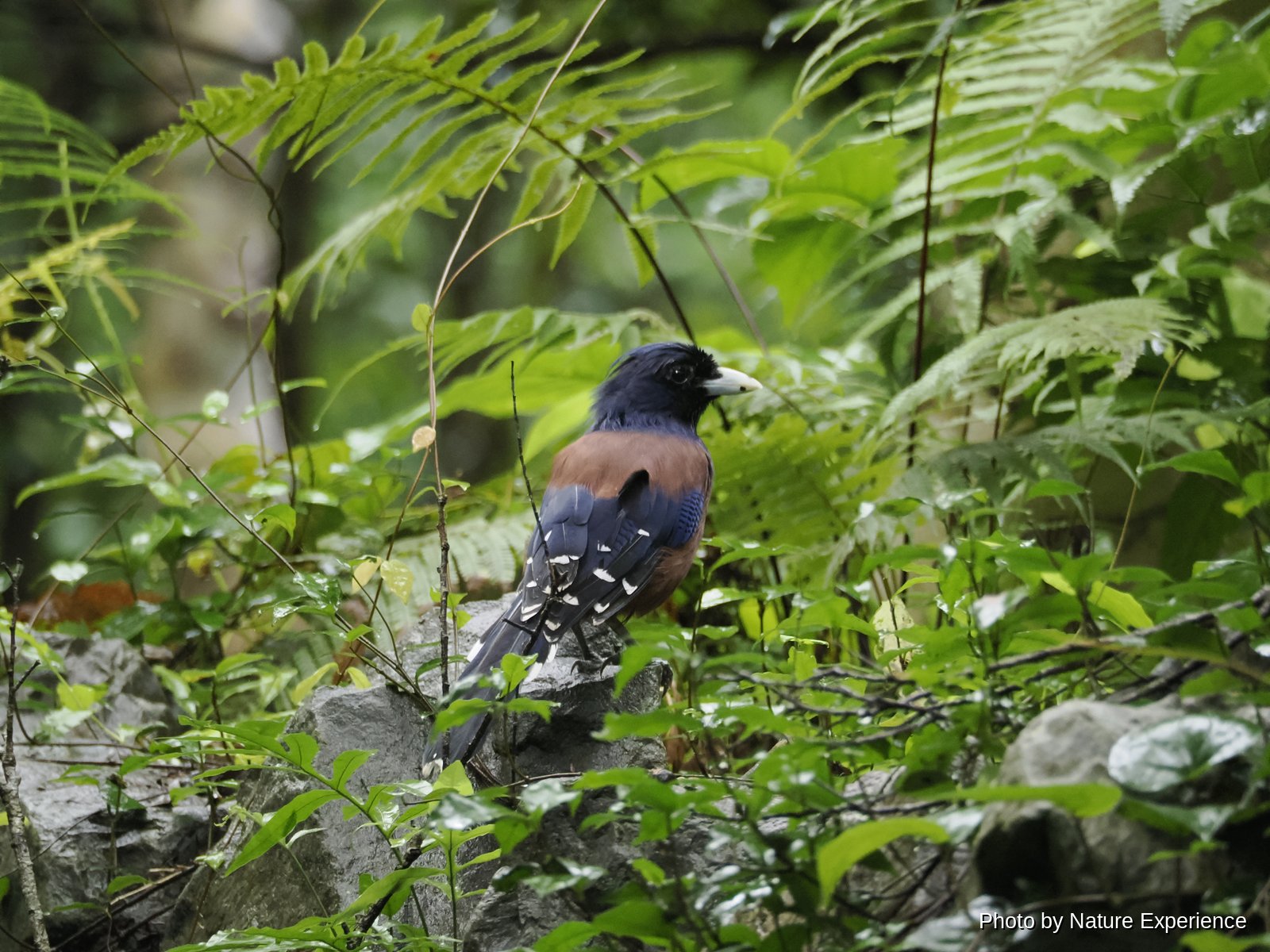
About 38 cm long. A species endemic to Japan found only on Amami Oshima, Kakeromajima, and Uke-jima, beautiful with its azure-blue head, wings, and tail, reddish-brown back, breast, and belly, and white bill and wingtips. Designated a Natural Monument in 1921. It prefers evergreen broadleaf forest and is omnivorous, feeding on chinquapin and oak acorns. A year-round resident, it can be observed throughout the year. The breeding season is from around February to May, when it lays 3-5 eggs in a tree hollow or similar site; late February through early April, when parent birds move about actively near the nest, is an especially good time to spot one. Its numbers once declined due to predation by feral cats and the introduced small Indian mongoose. Its status later improved, and in 2008 it was removed from Japan's Nationally Rare Wild Species. In 2024, the mongoose was also declared eradicated. It flies about actively during the day, but at night it can be observed resting on power lines or branch tips along forest roads.
SAFETY
Observation Safety Notes
Please enjoy Amami's wildlife through photographs. Some species are protected by law or local ordinance, and capturing or removing them is prohibited. In special protection zones within the national park, collecting any wildlife is prohibited entirely. Please check the notes on this page, and confirm local rules before visiting any site.
Wild birds aren't something to catch and take home — they're best enjoyed by observing and photographing them without disturbing them. Keep a good distance, and avoid using playback calls or food to lure them in. Parent birds and chicks are especially sensitive while nesting or breeding; approaching too closely or making noise can cause the nest to be abandoned or the chicks to fail to fledge successfully. Avoid flash or strong lights when photographing at night, and don't share information online that could reveal a nest's exact location.
This bird is subject to: “Capture and transfer prohibited (Natural Monument)”. Its capture, collection, or transfer is prohibited by law.