ABOUT
About Black-faced Spoonbill
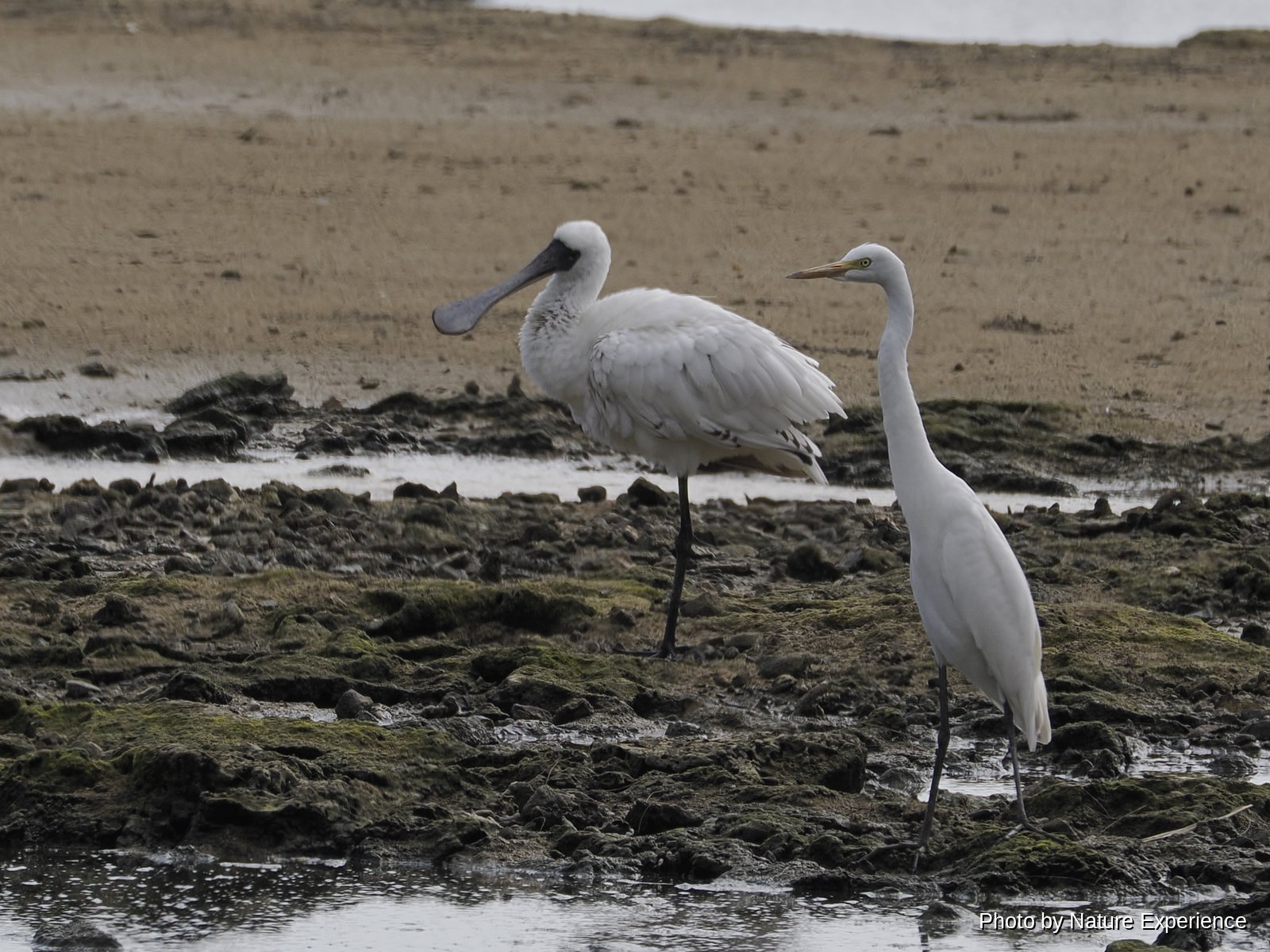
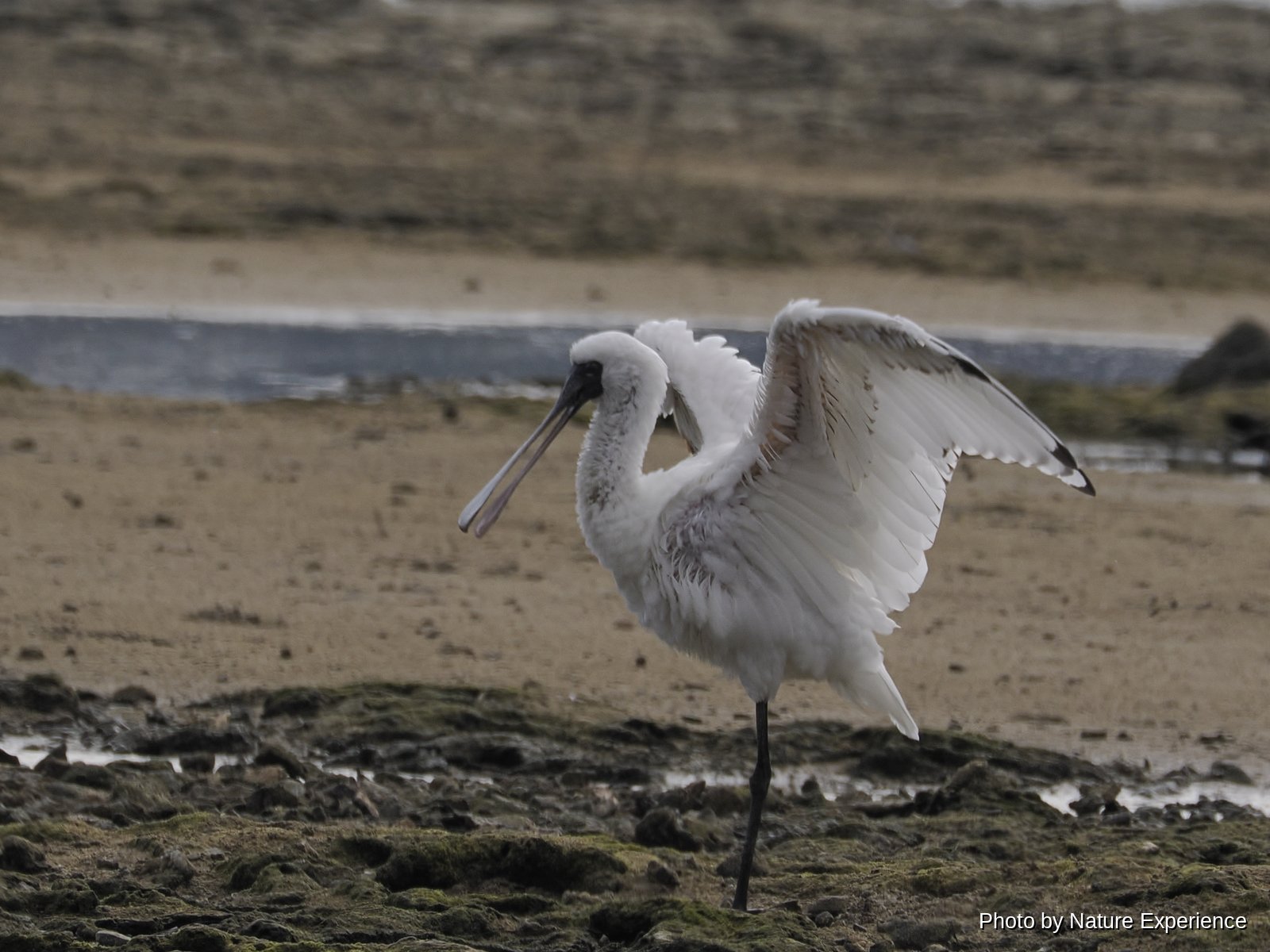
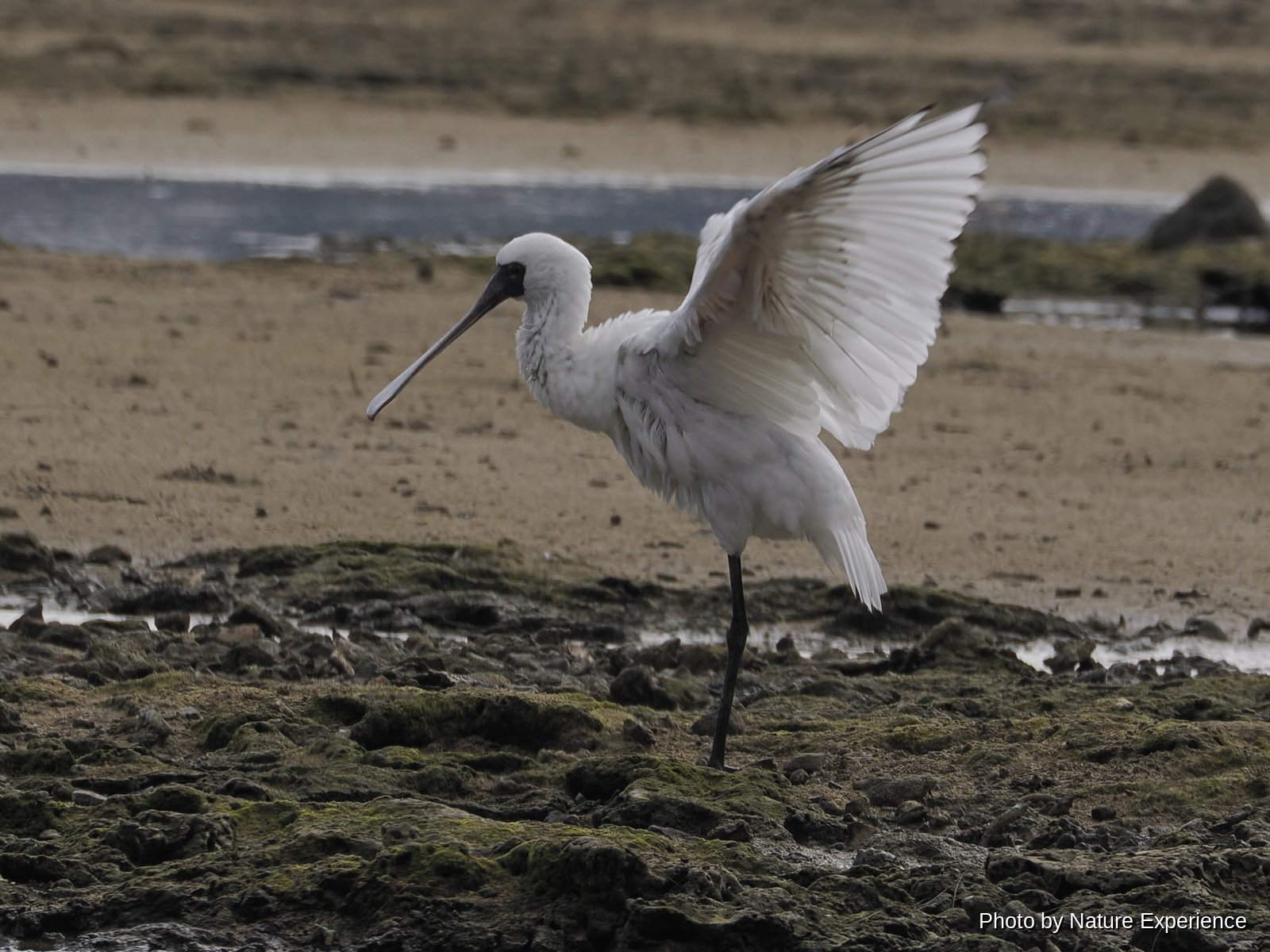
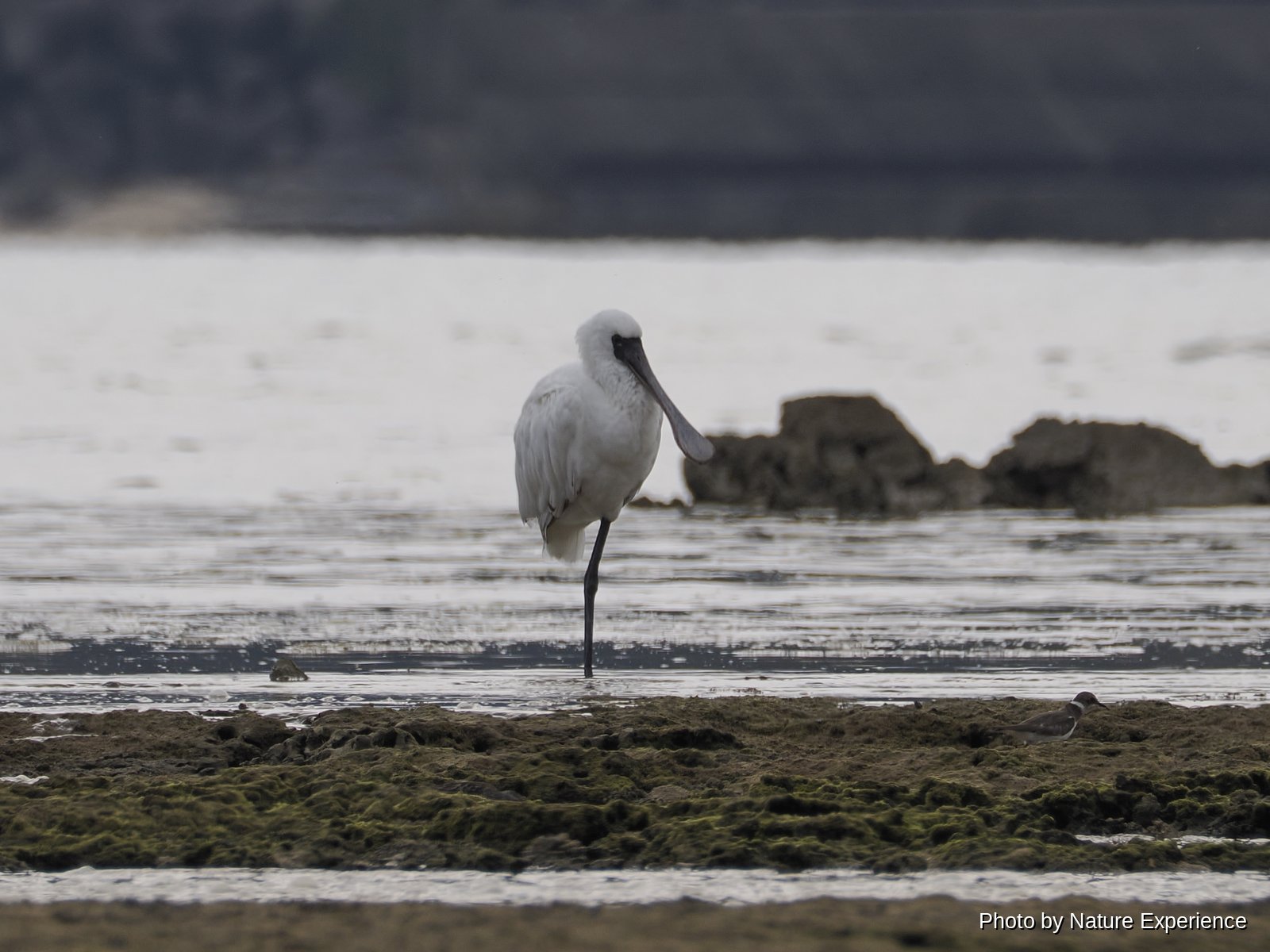
A large waterbird about 70-80 cm long. The whole body is white, and, as its name suggests, it has a distinctive black, spoon-shaped bill and black skin around the eyes. During the breeding season it grows a crest and its breast takes on a yellowish tinge. It can be told apart from the closely related Eurasian Spoonbill by the black facial skin, which extends broadly to the base of the bill. It breeds on islands off the west coast of the Korean Peninsula and the coast of northeastern China, and winters in Taiwan, Hong Kong, southern China, Japan, and elsewhere. The world population fell to around 300 birds in the early 1990s, but conservation efforts have driven a recovery, and the 2025 international census counted more than 7,000. In Japan, numbers arriving are on the rise, mainly in Kyushu, and on Amami Oshima it too is observed on tidal flats and similar sites from winter through spring. It was designated a Nationally Rare Wild Species under the Act on Conservation of Endangered Species in 2020, prohibiting capture and transfer (the Natural Monument designation applies not to the species itself but to certain habitat sites within Kagoshima Prefecture). Around 2025 the IUCN Red List downgraded its status from Endangered (EN) to Vulnerable (VU).
SAFETY
Observation Safety Notes
Please enjoy Amami's wildlife through photographs. Some species are protected by law or local ordinance, and capturing or removing them is prohibited. In special protection zones within the national park, collecting any wildlife is prohibited entirely. Please check the notes on this page, and confirm local rules before visiting any site.
Wild birds aren't something to catch and take home — they're best enjoyed by observing and photographing them without disturbing them. Keep a good distance, and avoid using playback calls or food to lure them in. Parent birds and chicks are especially sensitive while nesting or breeding; approaching too closely or making noise can cause the nest to be abandoned or the chicks to fail to fledge successfully. Avoid flash or strong lights when photographing at night, and don't share information online that could reveal a nest's exact location.
This bird is subject to: “Capture and transfer prohibited (Nationally Rare Wild Species)”. Its capture, collection, or transfer is prohibited by law.