ABOUT
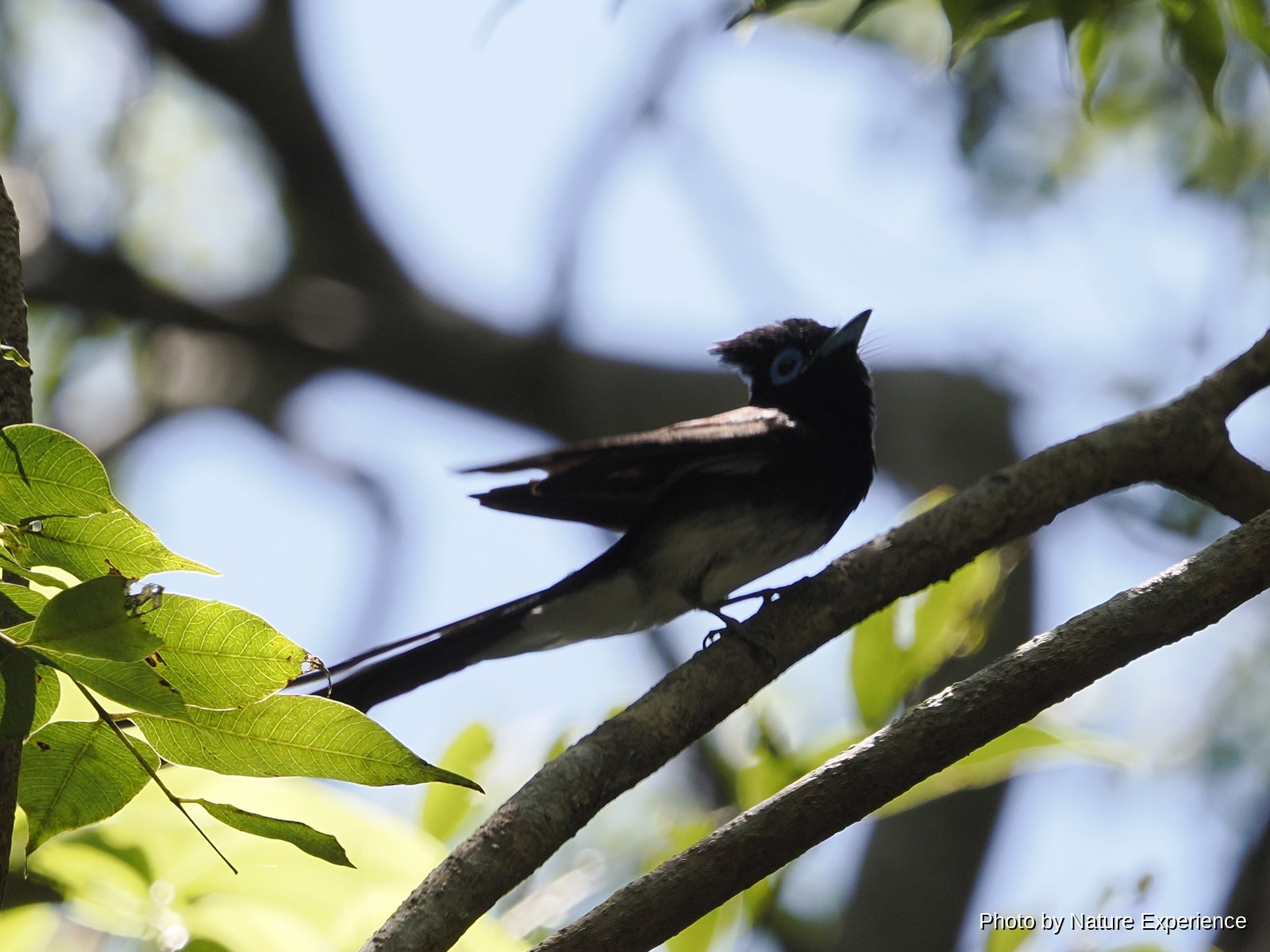
About Ryukyu Paradise Flycatcher
Males measure about 45 cm including the tail streamers, females about 18 cm. The whole body has a black-purple sheen, and the eye-ring and bill are a vivid cobalt blue. Males have tail feathers nearly three times the length of the body, giving them a striking silhouette in flight. On Amami Oshima it arrives as a summer migrant around April and, in the dim interior of the forest, flits from branch to branch catching flying insects such as small flies, wasps, and butterflies in mid-air. Its call is said to sound like "tsuki-hi-hoshi, hoi-hoi-hoi" ("moon, sun, stars, hoi-hoi-hoi"), which is why it is named the "three-light bird" after these three lights. From May to July it builds a cup-shaped nest of moss in the fork of a tree and shares incubation and chick-rearing duties. While unfledged chicks are in the nest, lingering close by or shaking the branch can cause the parents to abandon it, so it is best to watch briefly through binoculars from a distance. It heads back to its Southeast Asian wintering grounds around September.
SAFETY
Observation Safety Notes
Please enjoy Amami's wildlife through photographs. Some species are protected by law or local ordinance, and capturing or removing them is prohibited. In special protection zones within the national park, collecting any wildlife is prohibited entirely. Please check the notes on this page, and confirm local rules before visiting any site.
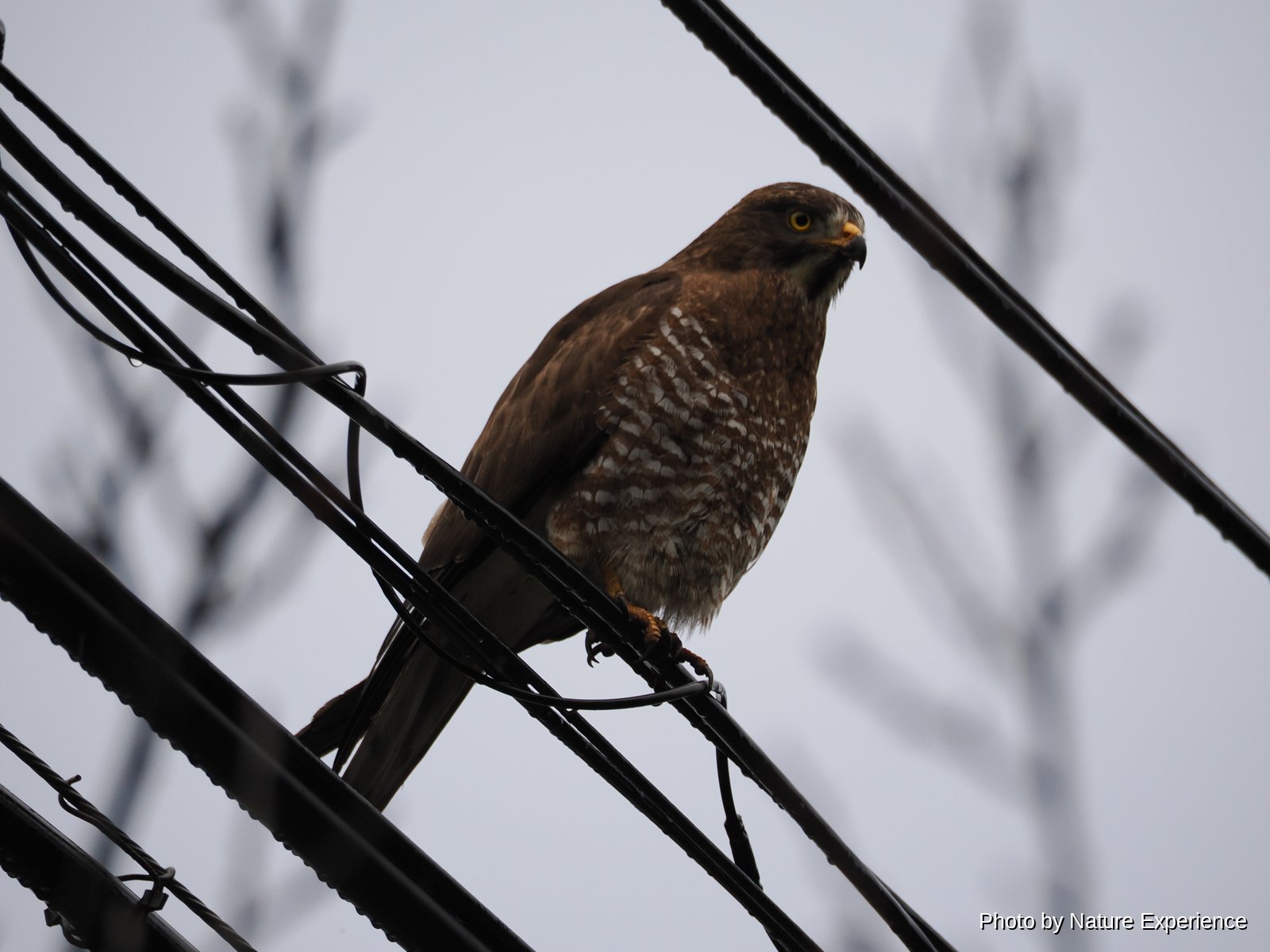
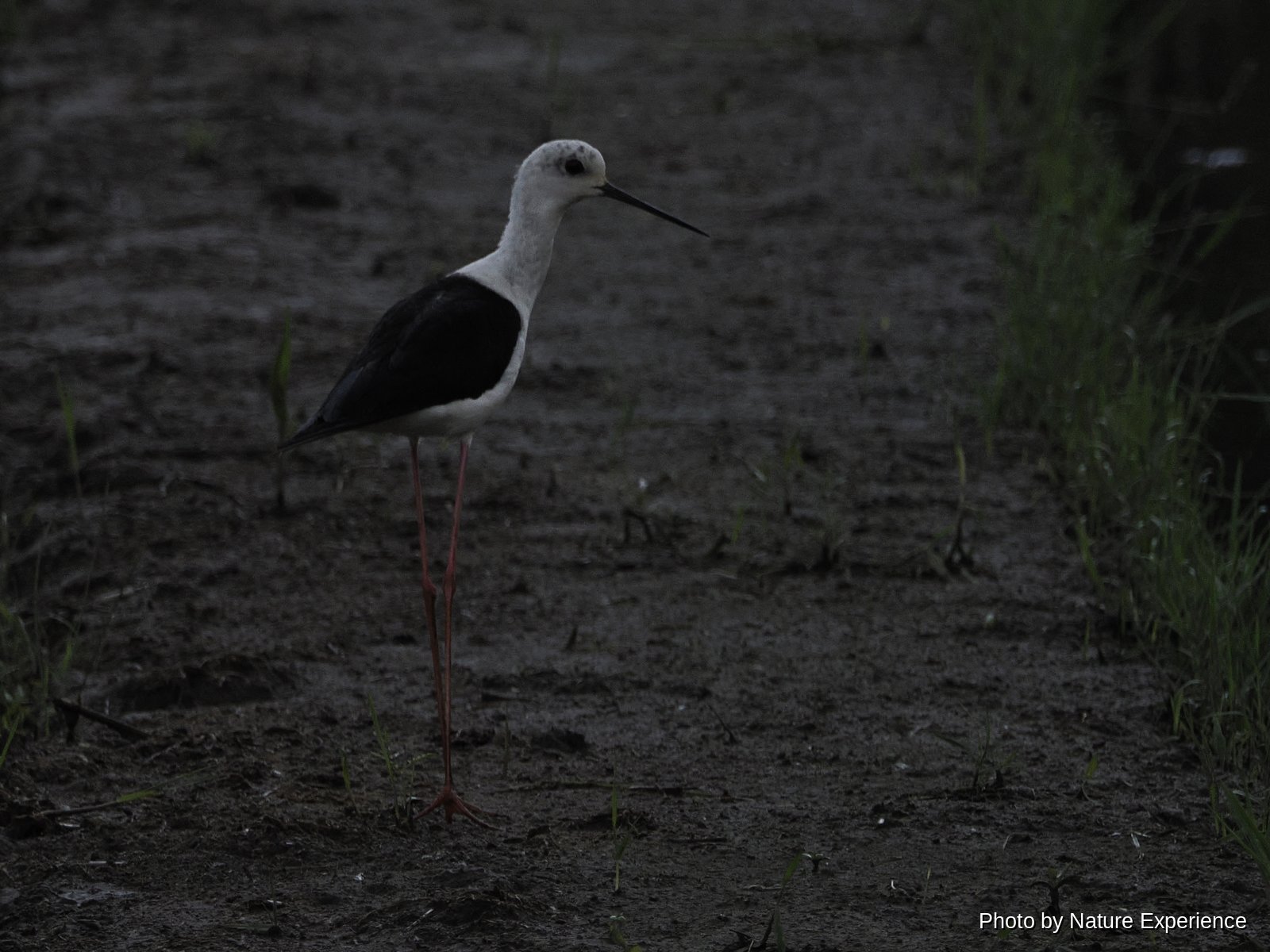
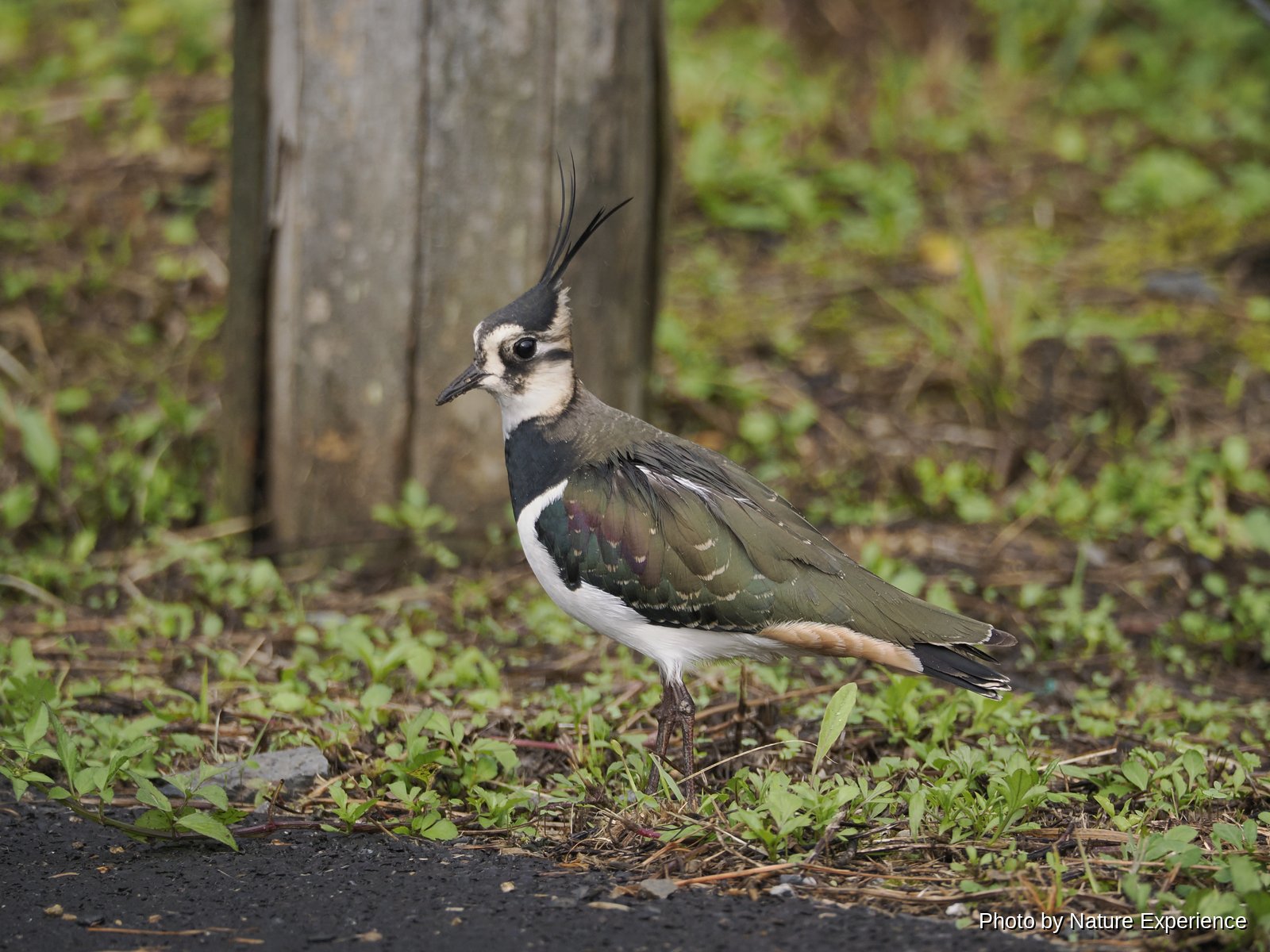
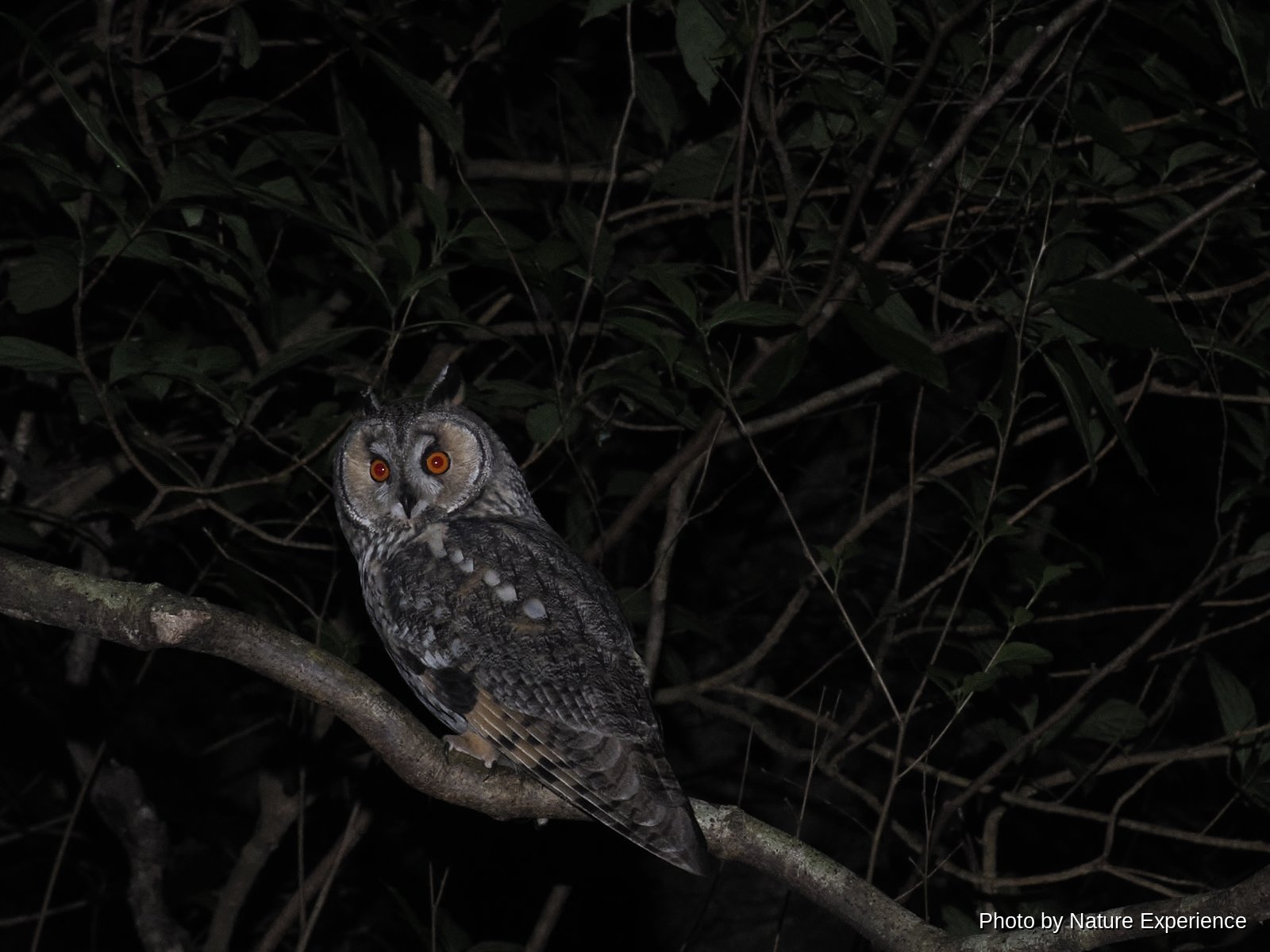
Wild birds aren't something to catch and take home — they're best enjoyed by observing and photographing them without disturbing them. Keep a good distance, and avoid using playback calls or food to lure them in. Parent birds and chicks are especially sensitive while nesting or breeding; approaching too closely or making noise can cause the nest to be abandoned or the chicks to fail to fledge successfully. Avoid flash or strong lights when photographing at night, and don't share information online that could reveal a nest's exact location.