ABOUT
About Amami Woodcock
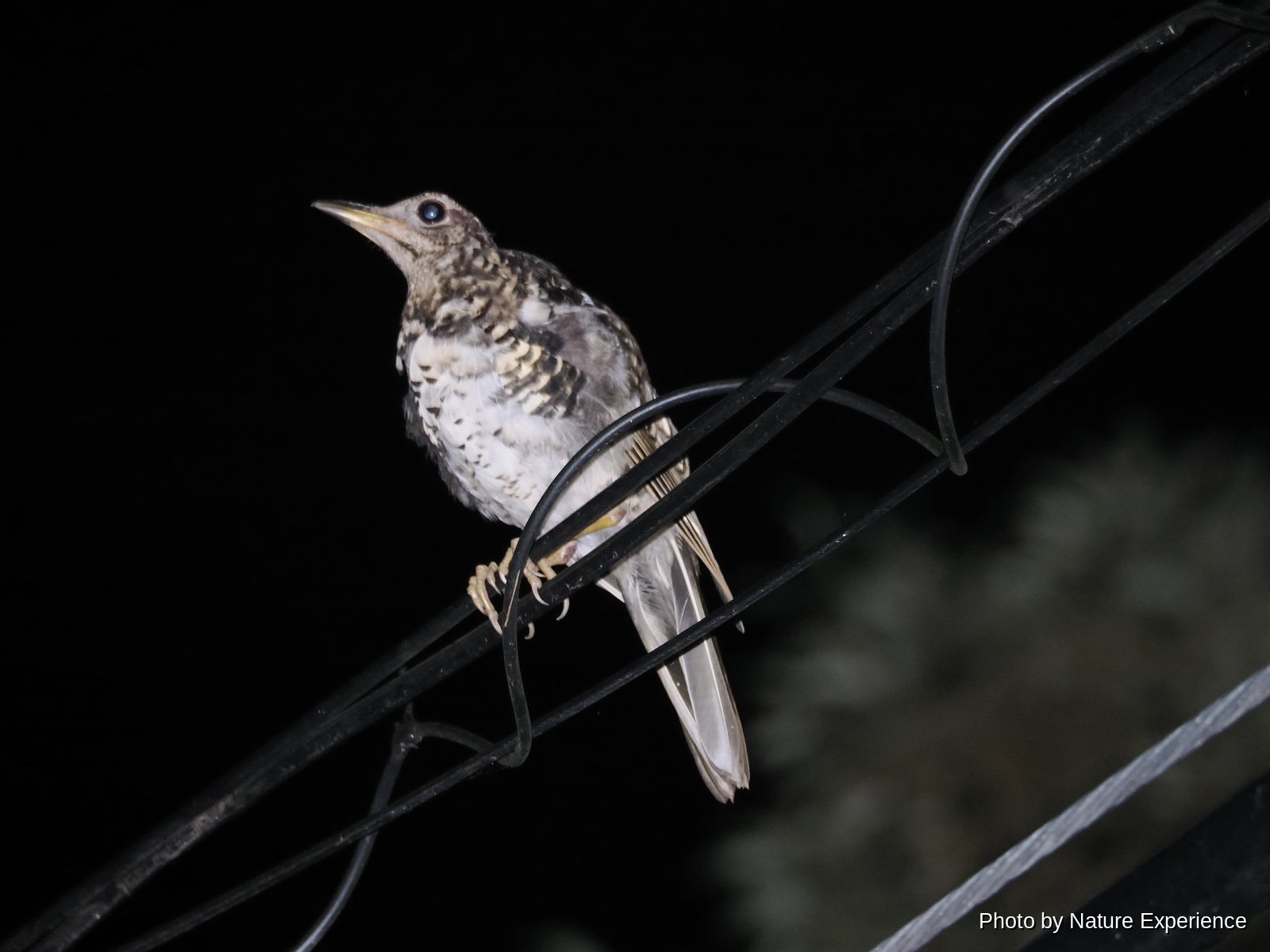
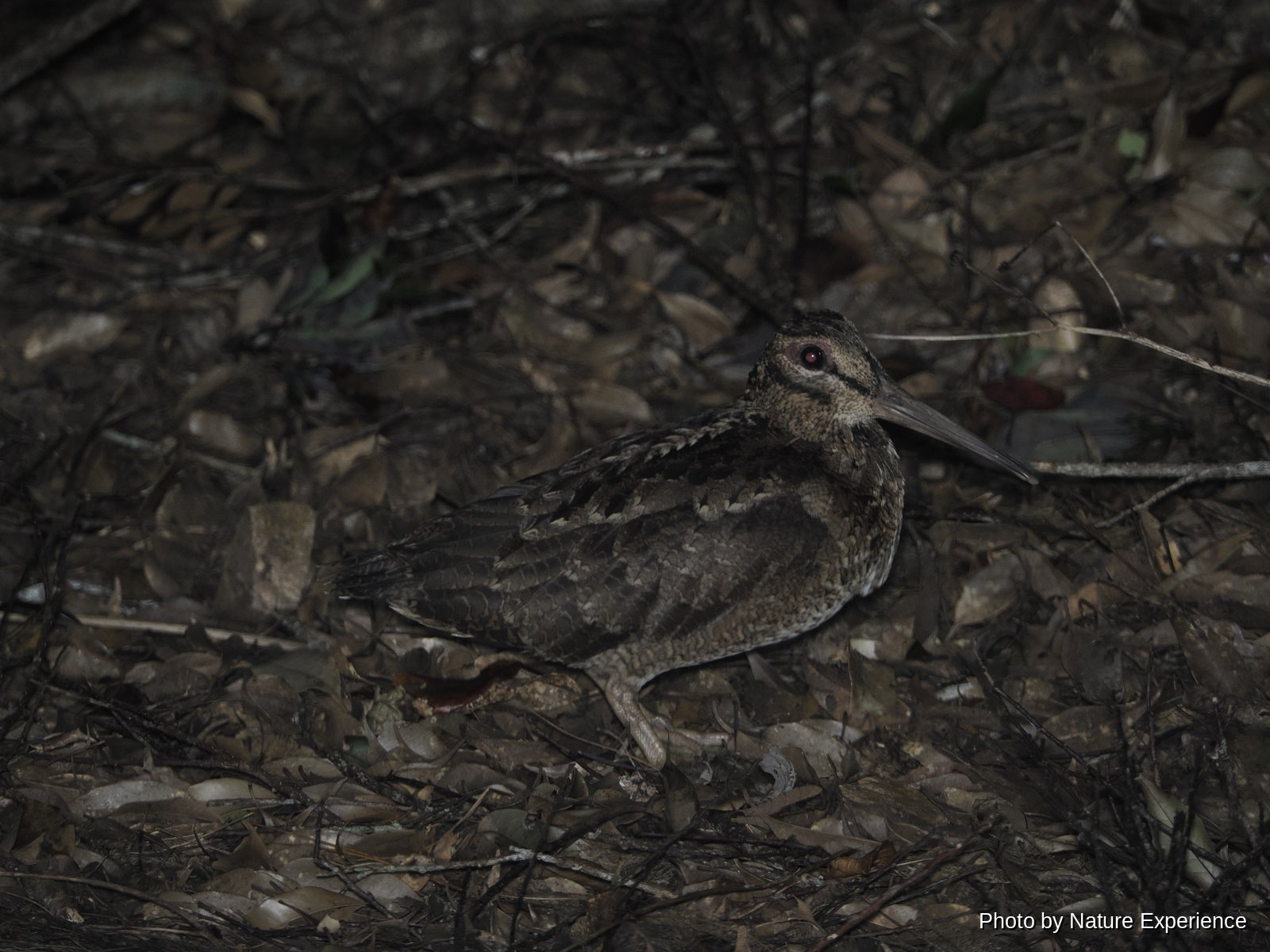
About 35-36 cm long. A species endemic to Japan found only in the Amami and Okinawa island groups, with breeding confirmed on Amami Oshima, Kakeromajima, Uke-jima, Yoro-jima, and Tokunoshima. It resembles the closely related Eurasian woodcock but has longer legs, an overall blacker tone, and a stockier build than other sandpipers. It prefers the dim forest floor of evergreen broadleaf forest, is most active from dusk to dawn, and forages on the ground for earthworms and insects. It becomes especially active in the dim light of early morning and evening, and on moonlit nights. The breeding season runs from around February to May, and at dusk males perform a courtship and territorial "roding" display flight, making this the easiest time of year to spot one. It nests on the ground within forests and lays 2-4 eggs from around March through May. Designated a Nationally Rare Wild Species in 1993. Following the eradication of the small Indian mongoose and forest recovery as logging has declined, its population has been gradually recovering, and in March 2026 the Ministry of the Environment's 5th Red List downgraded its status from Vulnerable (VU) to Near Threatened (NT). Predation by feral cats remains an ongoing concern.
SAFETY
Observation Safety Notes
Please enjoy Amami's wildlife through photographs. Some species are protected by law or local ordinance, and capturing or removing them is prohibited. In special protection zones within the national park, collecting any wildlife is prohibited entirely. Please check the notes on this page, and confirm local rules before visiting any site.
Wild birds aren't something to catch and take home — they're best enjoyed by observing and photographing them without disturbing them. Keep a good distance, and avoid using playback calls or food to lure them in. Parent birds and chicks are especially sensitive while nesting or breeding; approaching too closely or making noise can cause the nest to be abandoned or the chicks to fail to fledge successfully. Avoid flash or strong lights when photographing at night, and don't share information online that could reveal a nest's exact location.
This bird is subject to: “Capture and transfer prohibited (Nationally Rare Wild Species)”. Its capture, collection, or transfer is prohibited by law.